I don't run
workouts.
I build players.
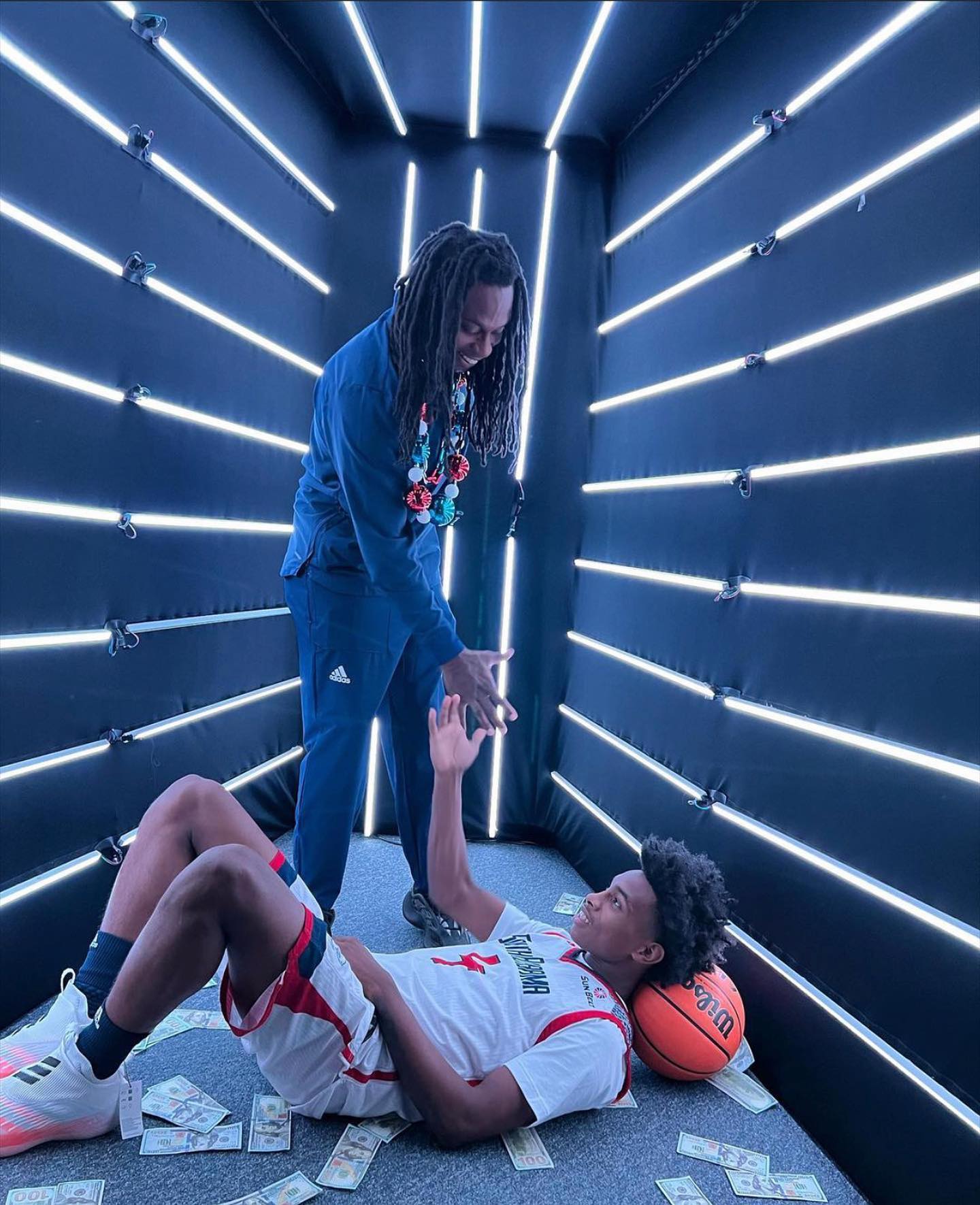
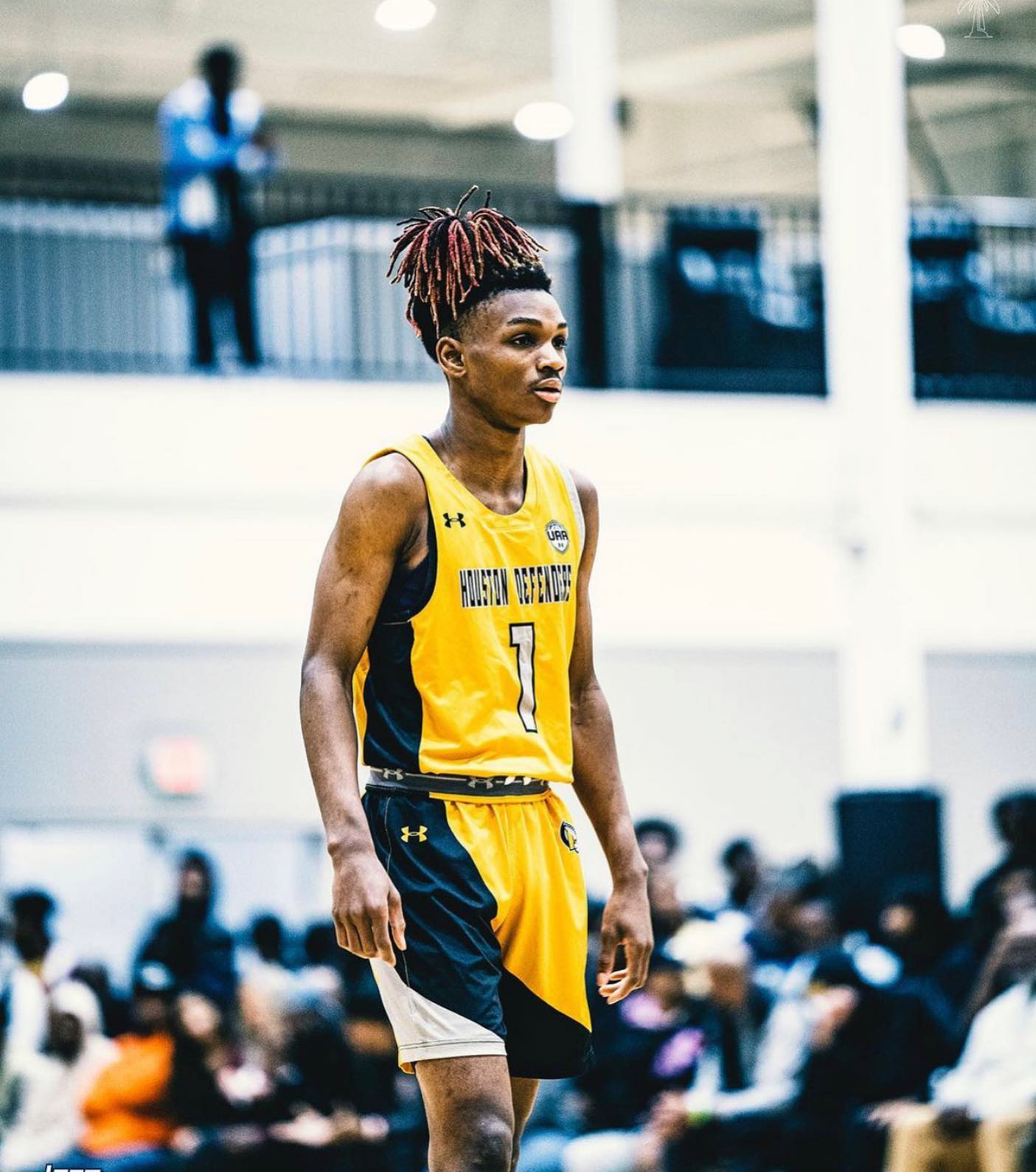
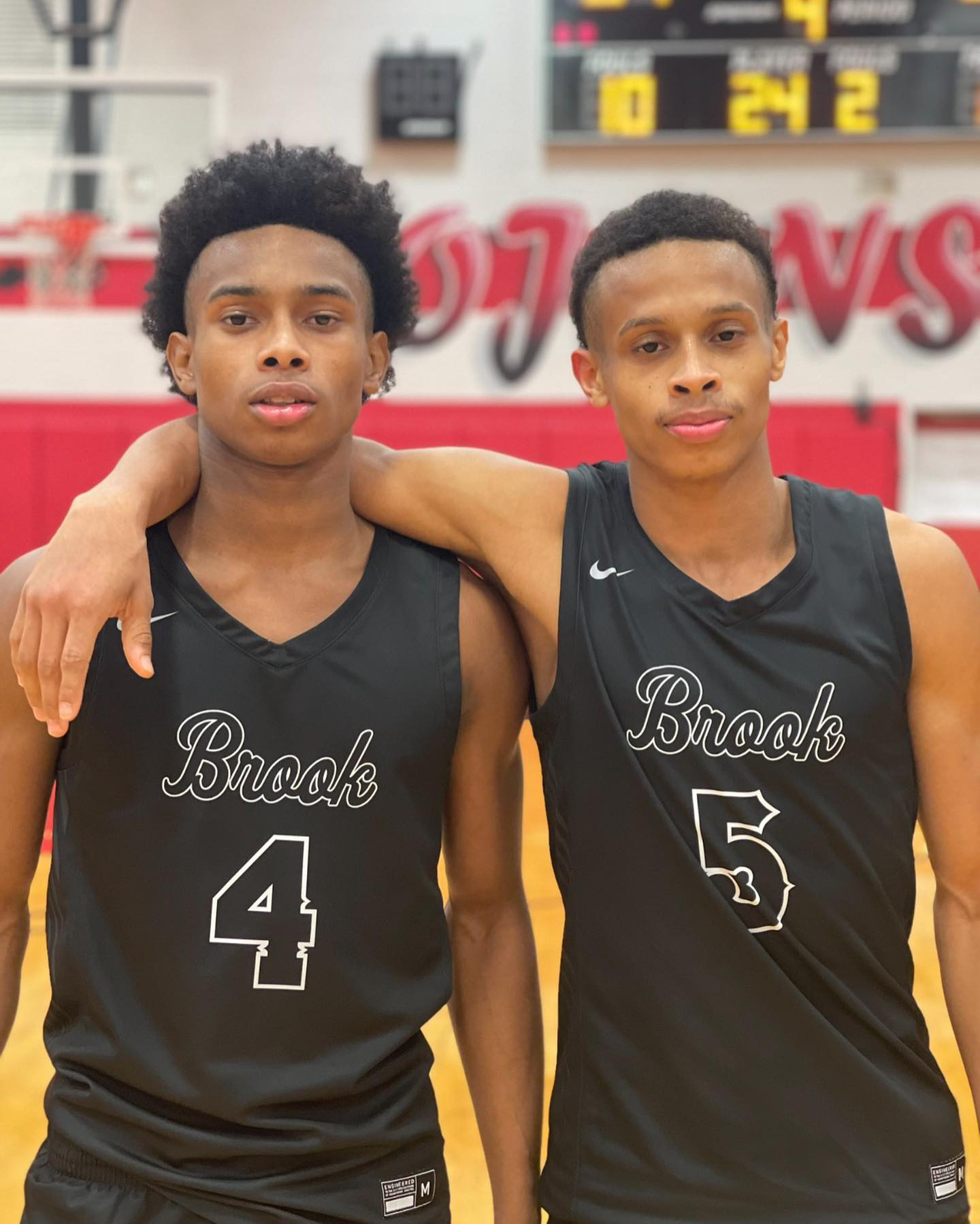
10+ of the players who came through my gym went on to the NBA. Plenty more just wanted to make their middle school team. Same standard, different programming — from a seven-year-old's first real workout to high-major D1 and the league.
Training 7 days a week · All ages · 3-hour weekly minimum
The résumé is
the reason.
Over 10+ of the players who came through my gym went on to the NBA. More than that went high-major D1. That is not a marketing number — it is the same development system every athlete who walks in here gets put through.
I also work the other side of it. I consult with college staffs on development and personnel, and I help coaches move jobs. So when I tell you where your player honestly stands, it is not a guess — it is the same lens the people making those decisions are already using. Even when it is not what you paid to hear.
The standard does not slide. A nine-year-old gets the same demand for detail as a pro in September. The drills change. The bar does not.
Pick the work.
Three ways to train, all built on the same development system. Ages six through pro — every athlete is programmed individually, no matter which door they come in.
1-on-1 Player Development
The full build. Handle, footwork, shot mechanics, finishing, reads, pace, and the mental side — programmed to the player in front of me, not a generic script.
- Individual plan built off a live evaluation
- Skill work tied to what your film says you actually need
- Every session logged and tracked week over week
- Ages 6 through college and pro
Small Group Training
Competitive reps against players at your level. Four max, so nobody hides and nobody stands in line waiting for a rep.
- Hard cap of 4 athletes per session
- Grouped by age and skill level, not by who signed up first
- Live 1v1 and 2v2 reads under pressure
- Same standard as the 1-on-1 work
Film Breakdown & Game Analysis
Game footage broken down clip by clip — decisions, spacing, defensive habits, and the three things that will move your minutes the fastest.
- Clip-by-clip breakdown with written notes
- Recruiting-lens evaluation: what college coaches will see
- Corrections carried straight into the next session
- Remote-friendly — send film from anywhere
Once a week
doesn't build anybody.
I get asked all the time if a kid can come once a week. The honest answer is that he can — he just will not get better, and I am not going to take your money and pretend otherwise.
Skill sticks through repetition spaced close enough together that the body keeps it. That is why every athlete in the individual program trains a minimum of 3 hours a week, at $125 an hour, with a $1,500 monthly minimum.
The number is not the point. The commitment is. I need the player bought in and I need the parent bought in — because the ones who make real jumps are the ones whose whole household decided this mattered.
Not there yet? Start with the free Saturday sessions. No cost, no pitch, no hard feelings.
- Weekly minimum
- 3 hours
- Monthly minimum
- $1,500
- Small group rate
- $75 per athlete
- Group size cap
- 4 athletes
- Saturday S&C
- Free
- 5-on-5 runs
- Invite only
Every intake is reviewed by Mo personally. Nothing is charged until after the evaluation session and a plan is agreed on.
Two open doors.
You should not have to sign a monthly commitment to find out whether I am any good. So there are two ways into the gym that cost you nothing.
Saturday Strength & Conditioning
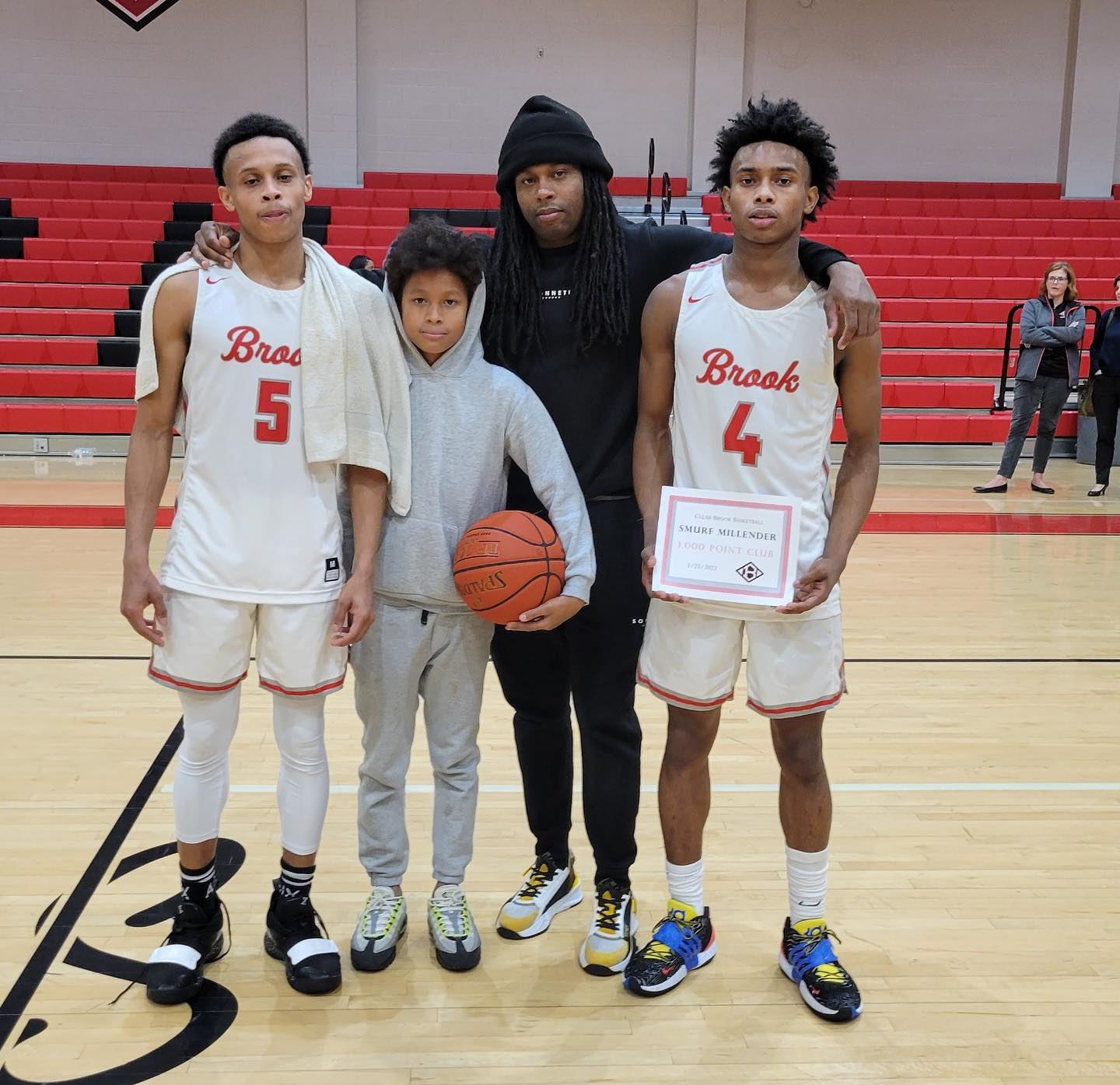
Free Saturday sessions, open to the community. Strength, speed, conditioning, and the habits that separate players who last from players who fade in the fourth. Come see how we work before you commit to anything.
- No cost, no commitment
- All ages welcome
- Parents encouraged to stay and watch
5-on-5 Runs
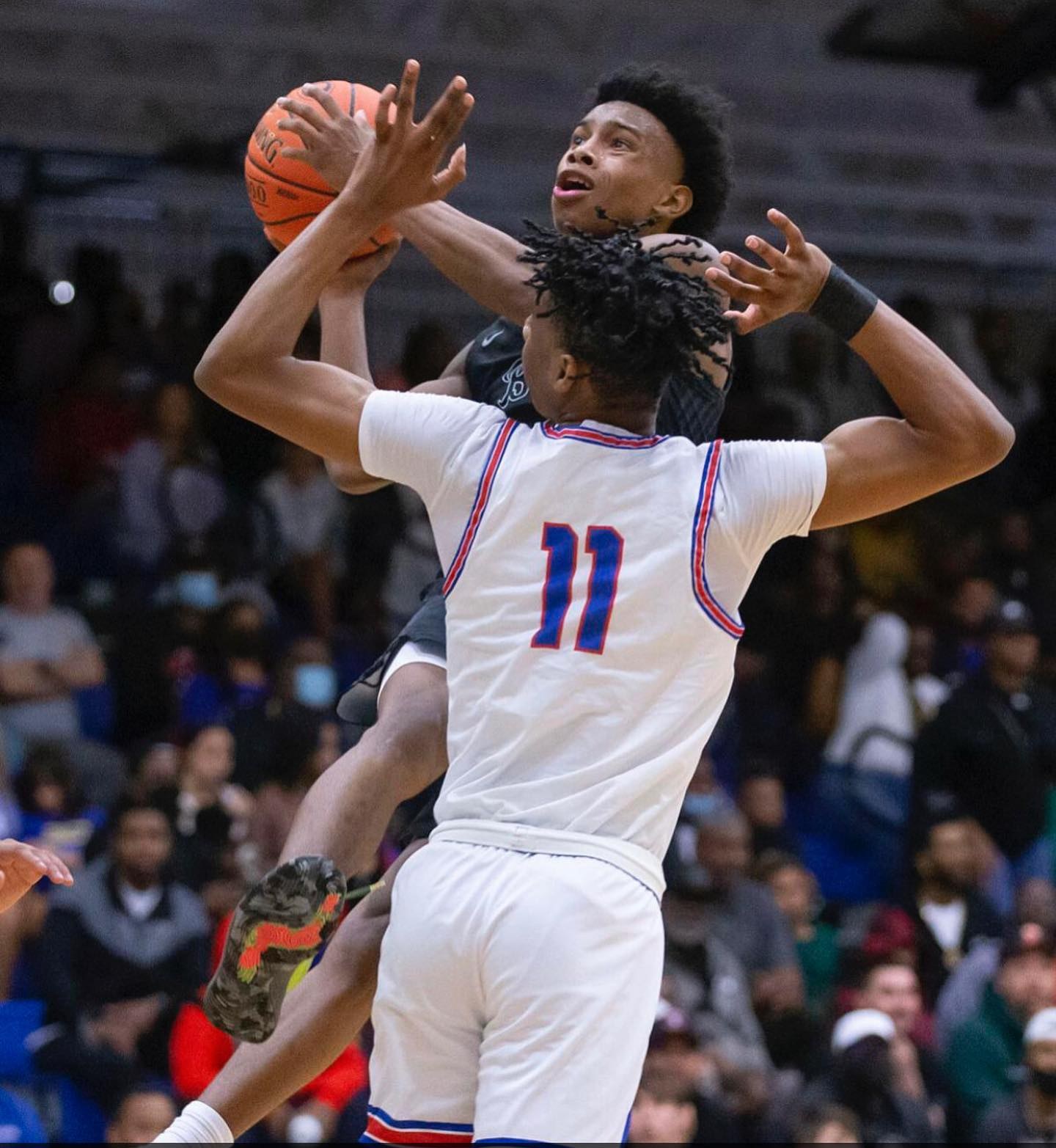
Invite-only live runs — top players in the area in a controlled environment, coached in real time. This is where the game actually gets taught: how to play, not just how to work out.
- Invitation from Mo only
- Coached live, whistle in hand
- Real competition, controlled setting
The tape doesn't
flatter anybody.
Most players have never actually watched themselves. They have watched highlights. Those are two different films, and only one of them makes you better.
Send me game footage and I break it down clip by clip — reads you missed, spacing you killed, defensive habits that are costing you minutes. Then I tell you the three things that will move the needle fastest, and we take them straight into the next session.
I also evaluate through a recruiting lens: what a college coach sees in those forty minutes, and what would have to change for the answer to be yes.

A different
conversation.
Separate from the youth work, I consult with college staffs — on development systems, on personnel, and on careers. Coaching is a small business with a short memory, and having somebody outside your building who will be straight with you is worth something.
Collegiate Coach Consulting
Working directly with college staffs on player development systems, individual workout design, and getting more out of the roster you already have.
Career & Job Placement Support
Helping coaches move. Résumé and coaching-philosophy positioning, network introductions, and honest counsel on which openings are actually worth chasing.
Roster & Personnel Evaluation
Film-based evaluation of your roster and of transfer or recruiting targets — what a player is, what he can become, and what he will cost you to develop.
Coaches — reach out directly. This is a conversation, not an intake form.
Four steps in.
Submit the intake
Two minutes. Tell me about your athlete, your goals, and when you can train.
Evaluation session
I see the player live, watch film if you have it, and tell you honestly where they stand.
Plan and schedule
An individual development plan and a weekly schedule built around school and team commitments.
Train and track
Work starts. Every session is logged, reviewed, and adjusted as the player changes.
Every workout is logged — what we trained, the numbers, what is next. Parents get visibility into that record, so improvement is something you can read week to week instead of something you have to hope is happening.
Straight
answers.
Anything not covered here, call me. I would rather answer it now than have you guess.
(832) 815-1574Why is there a 3-hour-per-week minimum?
Because once a week does not develop a basketball player — it just makes everybody feel productive. Skill is built through repetition close enough together that the body retains it. Three hours a week is the floor where real change starts to show up, and it is the same floor I held the NBA players I have trained to. If your family cannot commit to three hours a week yet, start with the free Saturday sessions.
What does the $1,500 monthly minimum cover?
Training is $125 an hour, and I ask for a $1,500 per month commitment — roughly 3 sessions a week. That includes the individual plan, film review of your games, and ongoing tracking of every session. The commitment is as much about the player and parent buying in as it is about the money.
What ages do you take?
All ages. Elementary school players building their first real habits, middle and high school players chasing college offers, college players preparing for the next level, and pros in the offseason. The standard does not change — the programming does.
Do you train seven days a week?
Yes. Sessions run 7 days a week, including early mornings and evenings around school and team practice. Tell me your availability on the intake form and we will find the windows.
How do I know my kid is actually improving?
Every session is logged — what we worked on, what the numbers were, and what is next. Parents get visibility into that record, so progress is something you can read, not something you have to take on faith.
Can you help my son or daughter get recruited?
I can make them a better basketball player and tell you the truth about where they honestly stand. I have relationships across college basketball and I use them — but I do not sell offers, and I would be careful with anybody who does.
What happens after I submit the form?
Mo reviews every intake personally and reaches out to schedule an evaluation session. From there you get a plan, a schedule, and a start date.
Two minutes now.
A different player by spring.
Fill out the intake and Mo will reach out personally to set up an evaluation. No charge until there is a plan you have agreed to.